

A Bushcraft Guide to Winter Survival and Hypothermia

There’s a different kind of silence in the cold. Snow softens the world, wind carries a sharper edge, and every movement feels heavier than it should. In bushcraft, winter isn’t just another season—it’s an environment that demands respect. The cold doesn’t give warnings the way other dangers do. It settles in slowly, and if you’re not paying attention, it takes more than just your comfort—it takes your control.
At the center of this is hypothermia. Not dramatic, not sudden, but quiet and persistent.
Hypothermia happens when your body loses heat faster than it can replace it. In the wild, this doesn’t always come from extreme temperatures. It often comes from the combination of small factors working against you—damp clothing, wind exposure, fatigue, and poor timing. What makes it dangerous is how subtle it feels in the beginning. You don’t notice the exact moment things start going wrong.
It usually begins with small changes:
A steady shiver that doesn’t stop
Fingers becoming clumsy and slow
A growing sense of fatigue, even without much effort
Then it progresses into something more serious. Your thinking slows down. Simple decisions feel harder. Tasks you’ve done a hundred times—lighting a fire, tying a knot, setting up shelter—suddenly take longer or go wrong. In bushcraft, that loss of clarity is often more dangerous than the cold itself.
Because once your decision-making slips, everything else follows.
Cold weather bushcraft is really about one thing—managing heat. Your body is constantly producing it, but the environment is constantly taking it away. Wind strips it. Moisture accelerates the loss. The ground pulls it straight out of you. And if you’re not actively countering those factors, you’re slowly falling behind.
That’s why experienced bushcrafters don’t wait until they feel cold to act. They move early, before the situation gets harder to recover from.
The priorities shift quickly in the cold:
Staying dry becomes more important than staying warm
Shelter matters as much as fire, sometimes more
Energy and movement must be controlled, not wasted
Being wet—even slightly—can undo everything. Sweat trapped under layers is just as dangerous as rain or snow. It cools rapidly once you stop moving, and that’s often when hypothermia starts to creep in. Managing your layers isn’t just about comfort—it’s about timing when to trap heat and when to release it.
Shelter becomes your first real defense. Even a simple tarp, set low and tight against the wind, can dramatically reduce heat loss. It doesn’t need to be perfect—it just needs to block exposure and give you a controlled space to recover.
Fire, of course, is your anchor. But in the cold, it has to be reliable, not rushed. A weak fire burns out quickly and forces you to start over, often when your hands are already numb. A well-built fire—with solid fuel, proper airflow, and a sustainable structure—does more than provide warmth. It restores your ability to function.
And then there’s the ground. It’s easy to overlook, but it drains heat faster than the air around you. Sitting or lying directly on cold earth or snow pulls warmth from your body continuously. Something as simple as a layer of branches, leaves, or a wool blanket can make a significant difference.
Movement plays its role too, but it has to be controlled. Moving generates heat, but overexertion leads to sweat—and that brings you back to the same problem. In cold bushcraft, efficiency matters more than intensity.
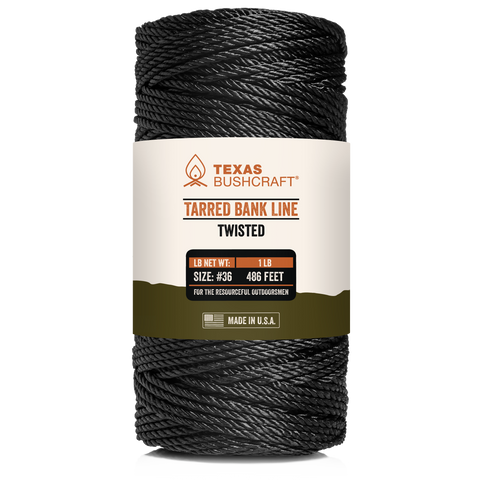
Good gear supports all of this, but it doesn’t replace awareness. Wool layers, reliable cordage, and a solid tarp setup all help, but only if they’re used at the right time and in the right way. The real skill is knowing when to act—before conditions force your hand.
The cold has a way of exposing gaps in preparation. It slows you down, tests your habits, and makes small mistakes feel bigger than they are. But it also sharpens your instincts. It teaches you to read your body, to watch the environment, and to respect the pace at which things can change.
In the end, hypothermia isn’t just about temperature. It’s about timing, awareness, and decision-making.
And in the wilderness, those are the things that matter most.

Who We Are
At Texas Bushcraft, we are a small family-owned business founded in 2018 in Austin, Texas. We were motivated to share our love for the outdoors and inspire others to enjoy nature without the need for big, fancy gadgetry. Our mission is to preserve traditional bushcraft skills and support our customers on their path to self-reliance. We offer simple, elegant outdoor gear and educational resources to help you prepare to thrive in the great outdoors. Thank you for choosing Texas Bushcraft as your guide.