

Heat, Fuel, and Oxygen: The Foundation of Firecraft

A dependable fire can mean warmth on a cold night, cooked food, dry clothing, light after sunset, and in an emergency, an important survival tool. But getting a fire started and keeping it alive requires more than simply striking a match or throwing sparks onto a pile of wood. Every fire depends on three essential elements known as The Fire Triangle: heat, fuel, and oxygen. Understanding how these three work together can make fire-building far more reliable in the wilderness.
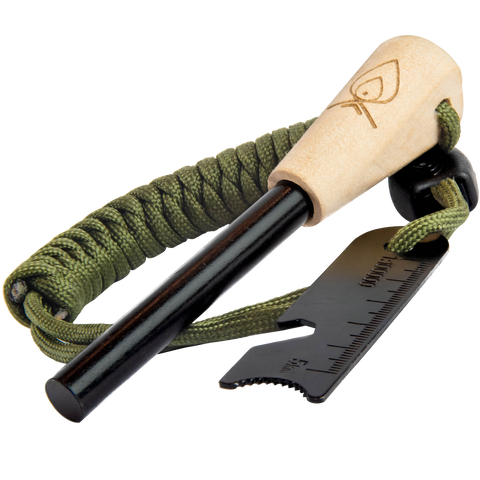
Heat is the energy needed to bring your fuel to its ignition point. In bushcraft, that heat might come from a match, lighter, ferro rod, ember, or another ignition source. The challenge is transferring enough of that heat into something that will catch easily. Fine tinder such as dry grass, bark fibers, wood shavings, or prepared tinder requires much less energy to ignite than a thick branch. Once that tinder catches, it produces enough heat to ignite progressively larger material.
Fuel is anything that burns and provides energy to the fire. A good wilderness fire usually progresses from tinder to small kindling and eventually to larger pieces of wood. Fuel size and condition matter greatly. Trying to ignite a large log directly with a ferro rod is ineffective because the sparks cannot provide enough sustained heat. Starting small and gradually adding larger fuel allows the fire to build strength naturally. Dry fuel is always preferable because wet wood must lose much of its moisture before it can burn efficiently.
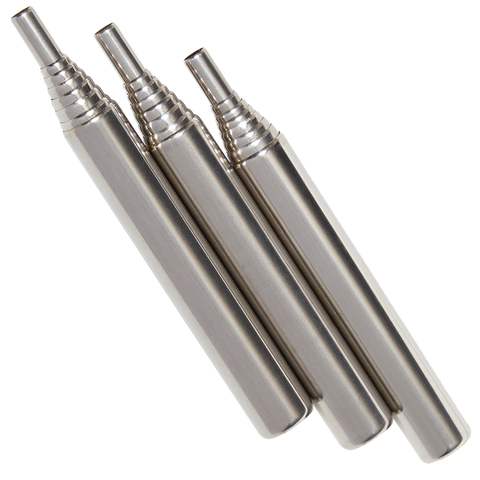
Oxygen is what allows combustion to continue. Even with perfect tinder and plenty of heat, a fire can struggle if air cannot reach it. Packing sticks too tightly together can smother a flame, while leaving small spaces between your fuel allows air to circulate. This is why common fire structures such as teepees, log cabins, and lean-to fires are designed not only to hold fuel, but also to maintain airflow. Sometimes gently blowing at the base of a weak fire can provide the oxygen it needs to strengthen.
The Fire Triangle is especially useful when a campfire refuses to cooperate. Instead of randomly adding more wood or repeatedly striking your ferro rod, identify which part of the triangle is missing. Is your tinder receiving enough heat? Is your fuel too damp or too large? Is the fire getting enough oxygen? Correcting the weakest part of the triangle often solves the problem.
The same principle also explains how to extinguish a fire safely. Removing heat with water, separating or removing fuel, and restricting oxygen can all stop combustion. For outdoorsmen, understanding both sides of the Fire Triangle is important. Knowing how to create fire is a fundamental bushcraft skill, but knowing how to control and completely extinguish it is just as essential.
Firecraft becomes much easier when you stop thinking of fire as something you simply “start” and begin thinking of it as a system you have to balance. Heat starts the process, fuel feeds it, and oxygen keeps it alive. Master those three elements, and you will have a much stronger foundation for building dependable fires in camp, in the backcountry, and when conditions become difficult.

Who We Are
At Texas Bushcraft, we are a small family-owned business founded in 2018 in Austin, Texas. We were motivated to share our love for the outdoors and inspire others to enjoy nature without the need for big, fancy gadgetry. Our mission is to preserve traditional bushcraft skills and support our customers on their path to self-reliance. We offer simple, elegant outdoor gear and educational resources to help you prepare to thrive in the great outdoors. Thank you for choosing Texas Bushcraft as your guide.